
The Current State of UK Horse Racing What You Need to Know
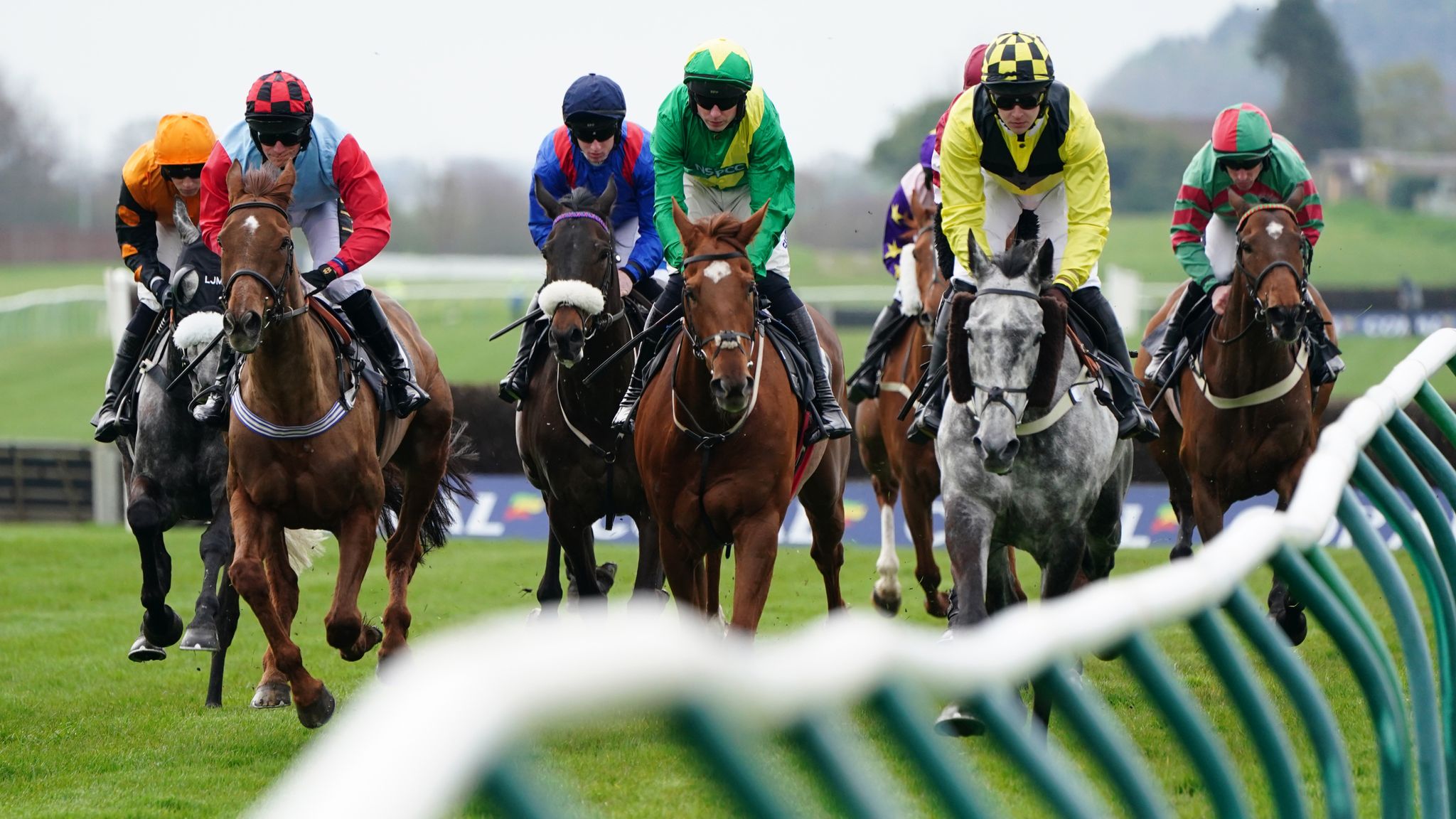
The Current State of UK Horse Racing: What You Need to Know
UK horse racing has a rich and storied history, being one of the most popular sports in the nation. However, recent developments have raised questions about its future. As bookmakers and fans alike navigate the landscape of racing, it’s important to note that UK Horse Racing Not on GamStop non GamStop horse racing options may provide racing enthusiasts with alternative avenues for engagement and enjoyment.
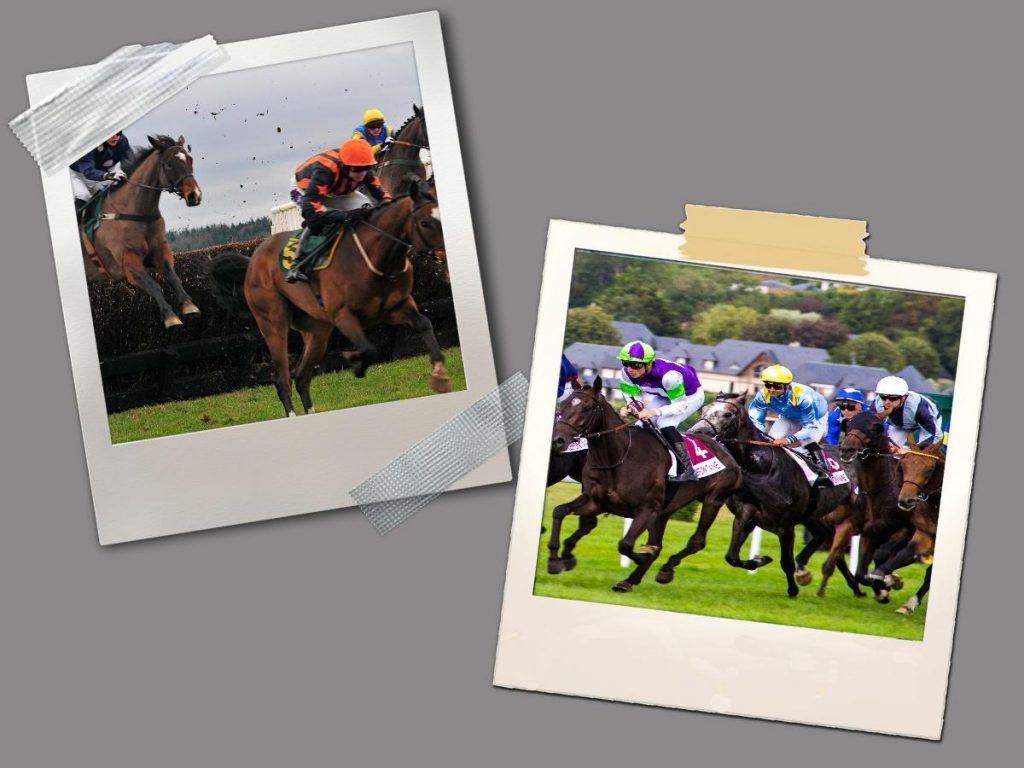
The Impact of COVID-19 on Horse Racing
The COVID-19 pandemic has drastically impacted sports worldwide, with UK horse racing being no exception. Initially, racing events were canceled, leaving trainers, jockeys, and punters uncertain. As restrictions eased, racing resumed, but not without modifications. Ghost races were held with no spectators, and safety protocols were strictly enforced. Reinventing the fan experience through digital platforms became paramount, leading to innovations that included live streaming and virtual betting.
Regulatory Changes in UK Horse Racing
Recent years have seen a series of regulatory changes aimed at ensuring the integrity and safety of horse racing. The British Horseracing Authority (BHA) has been at the forefront of these changes, implementing stricter measures to combat doping and improve horse welfare. New technologies, such as biometric monitoring, are being introduced to track the well-being of horses in real-time. As a result, animal welfare advocates have welcomed these changes, though the industry must remain vigilant to maintain public confidence.
The Rise of Online Betting and Virtual Races
With changing consumer habits, the betting landscape has evolved significantly. More people are turning to online platforms for betting, leading to a boom in virtual races and simulated events. While traditionalists may express concern about these developments, the convenience and accessibility of online betting have brought a new audience to horse racing. This, in turn, may foster a deeper appreciation for the sport among younger generations who will shape its future.
Challenges Facing the Industry
Despite the innovative measures being implemented, UK horse racing faces substantial challenges. The economic impact of the pandemic cannot be overlooked, with many racing venues struggling to regain full attendance. Furthermore, competition from other forms of entertainment, including esports and online gaming, poses a continuous threat to the engagement of racing fans. The industry must find ways to revitalize interest and adapt to changing consumer preferences to secure its future.
The Role of International Racing
International horse racing has also influenced the dynamics of UK racing. The importation of races from countries with thriving horse racing cultures has provided additional opportunities for UK punters. However, it also raises questions about competition and market saturation. National pride remains a strong element in domestic racing, and any perceived diminishment of its stature could become a point of concern.
Community Engagement and Grassroots Racing
Grassroots racing plays a crucial role in sustaining the sport’s popularity in the UK. Local races that may not garner national attention still cultivate a passionate following and provide crucial support for many communities. The BHA and other governing bodies must work to promote these events, ensuring they receive adequate resources and visibility. Moreover, initiatives aimed at encouraging participation at the community level, such as educational programs, can bolster engagement and interest in horse racing as a whole.
The Future of UK Horse Racing
Looking ahead, the future of UK horse racing hinges on its ability to adapt to change. Combining traditional values with modern advancements will be essential in navigating an evolving landscape. Embracing technology, enhancing audience engagement, and advocating for welfare reforms will directly shape the course of horse racing in Britain.
Ultimately, the resilience of the sport depends on its core contributors: the owners, trainers, jockeys, and fans. Their commitment to preserving the integrity and excitement of horse racing will determine its longevity and relevance in a rapidly changing world. By fostering a sense of community and innovation, the UK horse racing scene can remain vibrant and continue to be a cornerstone of British culture.
Conclusion
In conclusion, the landscape of UK horse racing is undergoing significant transformation, driven by challenges and opportunities alike. By understanding current trends and actively participating in the evolution of the sport, all stakeholders can help ensure that UK horse racing not only survives but thrives in the years to come.
Whether you’re a seasoned bettor or a newcomer, the excitement

of horse racing endures. From prestigious races like the Grand National to grassroots events, the spirit of competition and camaraderie will always find a way to unite fans and participants alike.