
The Thrill of Horse Racing An Unblocked Passion

Horse racing, a beloved sport that has transcended centuries, continues to captivate millions around the globe. With its rich history intertwined with the cultures of various nations, the allure of watching majestic horses thunder down a track is an experience that seems to remain unblocked by the changing tides of social and entertainment trends. One might ask, what is it about horse racing that keeps it relevant in a world overflowing with options? This article will delve deep into the dynamics of this vibrant sport, highlighting its remarkable aspects while also incorporating insights from horse racing not blocked by GamStop EquiFACS, enhancing our understanding of the sport’s ongoing evolution.
A Historical Overview
Horse racing dates back to ancient civilizations, with its roots traced to the Chariot races of ancient Greece and Rome, and further back to the nomadic cultures of Central Asia, who domesticated horses thousands of years ago. Throughout history, racing has been a testament to speed, skill, and courage, not only for the horses but also for the riders. Whether it was the Roman gladiators of the arena or the noblemen of the English countryside betting on their prized steeds, the race has always been a significant event, symbolizing competition, status, and excitement.
The Different Types of Horse Racing
Today, horse racing takes various forms, appealing to diverse audiences across the globe. These include:
- Flat Racing: This is perhaps the most recognized form, featuring thoroughbred horses racing over a level track. The objective is straightforward: the first horse to cross the finish line wins.
- Jump Racing: Also known as National Hunt racing, this involves horses navigating various obstacles, requiring not only speed but also agility and endurance.
- Harness Racing: In this unique format, horses pull a sulky, a lightweight cart, while racing against others. This form highlights the training and temperament of the horse in a different light.
- Endurance Racing: This classification focuses on long-distance races, testing the stamina and grit of both horse and rider over various terrains.
The Cultural Significance of Horse Racing
Horse racing is often imbued with cultural significance, serving as a major social event in many societies. The Kentucky Derby, for example, is often called « The Most Exciting Two Minutes in Sports, » but it is much more than just a race. It represents a gathering of families and friends, fashion spectacles, and a celebration of tradition. Similarly, the Royal Ascot in England encapsulates the opulence of horse racing, where fashion meets sporting excellence. These events deliver a sense of community and excitement that goes beyond mere competition.
Horse Racing and Technology
In today’s digital age, the integration of technology into horse racing has ensured that this timeless sport remains accessible and engaging. Online betting platforms allow fans to place wagers from the comfort of their home. Moreover, advancements in data analytics and AI have transformed how trainers and owners prepare their horses. Detailed performance data, genetic insights, and health metrics now govern many training and racing decisions, making the industry more data-driven than ever before. Resources like EquiFACS provide crucial insights into evaluating horse performance and health, ensuring that athletes are well-prepped for the tracks.
The Economics of Horse Racing
The betting industry surrounding horse racing represents a significant economic force. With billions of dollars wagered annually, sports books provide essential revenue streams that fuel the racing industry, supporting the livelihoods of trainers, jockeys, and caretakers. The allure of potential winnings attracts a wide demographic, from casual bettors to seasoned gamblers, creating an economic ecosystem where every race holds the promise of excitement and financial reward.
Challenges Facing the Sport
Despite its long-standing popularity, horse racing is not without challenges. Ethical concerns surrounding animal welfare and the treatment of racehorses have become central topics of discussion. Efforts to improve the standards of care and training practices must be a priority to ensure the community’s long-term viability and maintain public support. In addition, the sport faces competition from other forms of entertainment, requiring continual adaptation and innovation to capture the interest of the modern audience.
The Future of Horse Racing
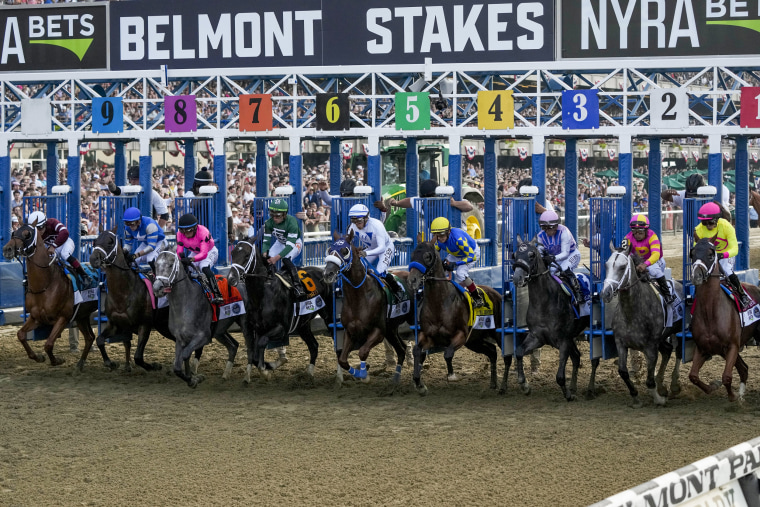
Looking ahead, the future of horse racing promises to be as exhilarating as its past. With ongoing innovations in breeding and training techniques, along with the continuous evolution of betting technologies, the sport is poised to attract new generations of fans. The focus on sustainability and animal welfare will also shape its evolution, reinforcing the commitment to ethical practices. As horse racing continues to adapt, it remains a thrilling spectacle that connects us to the past while offering an unblocked pathway into the future.
Conclusion
Horse racing is much more than just a competition; it is a blend of history, culture, and excitement that has proven resilient against the ever-changing landscape of entertainment. Through technology, a commitment to ethical practices, and the deep-seated connections it fosters among fans, horse racing stands as a remarkable sport that is truly unblocked by the passage of time. As we anticipate what lies ahead, one thing is certain: the thrill of the race will continue to inspire and entertain for generations to come.