
Project Lightning LolaJack Casino optimizes platform performance in UK

LolaJack Casino just wrapped up a sweeping infrastructure upgrade of its online platform. The payoff, as engineers refer to it, is a ultra-fast system that extends across every vertical. The team dubbed the undertaking Speed Demon Mode, and its goal is straightforward: cut each and every millisecond off the user experience—from page load to withdrawal approval. Third-party tests now place the platform among the most responsive operator interfaces in the UK, setting a new standard for what mobile-optimized casino performance can be.
The Structure Behind Speed Demon Mode
LolaJack’s team rebuilt the core delivery layer with edge-computing nodes distributed across several European points of presence. Moving session logic closer to the player removes the round-trip latency that plagues centralized servers. Static assets now load through a CDN optimized for zero-cache misses, while dynamic requests reach optimized API gateways that handle authentication and balance checks in parallel—not one after another.
Database query optimization made up the second pillar. The team reviewed every stored procedure, substituting blocking operations for asynchronous patterns that keep queues from piling up during peak traffic. Now game lobbies load in under 400 milliseconds, and live dealer streams initiate with no noticeable buffering—even on 4G during busy evenings.
User-Facing Speed Indicators
Currently the platform displays small speed hints that indicate how things are running, without any tech speak. Inside the account header appears a tiny connectivity light—yellow—according to your current delay to the optimal edge node. Game lobbies also display projected start times for each product based on your connection speed and system. It creates expectations realistically, which causes waiting seem less.
The clarity features stemmed from user research that revealed unexplained loading creates more frustration than longer, predictable durations. By presenting performance data via a simple iconic system, LolaJack turns optimization into a trust builder. Early player surveys demonstrate a 31 percent jump in satisfaction scores around platform responsiveness after the indicators were activated with Speed Demon Mode.
Payment Gateway Speed-up
Deposits currently utilize tokenized financial info, bypassing the standard multi-stage validation regarding returning players. The system keeps encrypted tokens on your device, allowing you to tap once and authorize the deposit within three seconds—is compatible with leading e-wallets and bank cards. It stays fully PCI DSS compliant while removing that manual input hassle that previously caused numerous checkout abandonments.
Withdrawals got their own upgrade through an automatic validation process. The platform matches your identity papers based on transaction patterns employing machine learning classifiers. Normal payout requests now receive approval in less than four minutes during office hours—a big shift from the lengthy waits of hours or days that are typical elsewhere. Real-time status updates push to your notifications, so you don’t have to wait and wonder, which cuts down the deluge of support queries asking ‘where’s my money?’.
SSR for Instant Page Visibility
The frontend transitioned from a completely client-side JavaScript app to a combined server-side rendering model. Now the initial page payload is prebuilt HTML that shows up immediately. Interactive pieces initialize as the JavaScript bundles load in the background. That signifies no more blank white screen—a frequent annoyance with single-page apps on slower connections.
Search crawlers gain a boost too—they get fully populated content without having to run JavaScript. User experience was the main driver, but the SEO perk is that game category and promo landing pages now index more reliably. The team chose a lightweight rendering framework on purpose to bypass the overhead of heavier options. That maintains server response times under 150 milliseconds even during crawl spikes.
Mobile-First Performance Metrics That Are Important
The QA team released a set of performance metrics that go well beyond conventional industry metrics. Time to Interactive—the metric that tracks how fast a user can tap and interact with the interface—now rests at 1.2 seconds on median Android devices and 0.9 seconds on recent iOS hardware. First Contentful Paint, when visible content first loads, comes in at 0.6 seconds across every device profile tested.
Those numbers flow directly into retention metrics that LolaJack tracks in real time. Since launching Speed Demon Mode, session abandonment during the first ten seconds has decreased by 23 percent. The data backs up what UX researchers have been stating for years—casino players have less endurance than the average web user, so raw speed isn’t just cosmetic, it’s a revenue lever.
Game Loading Sequences Reengineered
Slot machines from major aggregators now load using a pre-fetch mechanism that predicts player intent from how they browse the lobby. When you hover over a game thumbnail, the system silently streams compressed asset bundles in the background. So when you click, you experience an instant transition in place of a spinner. The proactive loading algorithm minimally impacts your bandwidth because it prioritizes lightweight metadata until you commit.

Live casino tables use a custom WebSocket protocol that sustains the connection alive even if you shrink the tab https://lolajacks.eu. When you come back, the stream restarts at full resolution in 200 milliseconds—no need for a full re-handshake. Presenters appear with audio and video flawlessly synced. Pre-optimization data showed that desync was one of the main three reasons players walked away from live dealer tables, so the team made sure to kill that problem.
Ongoing Performance Tracking System
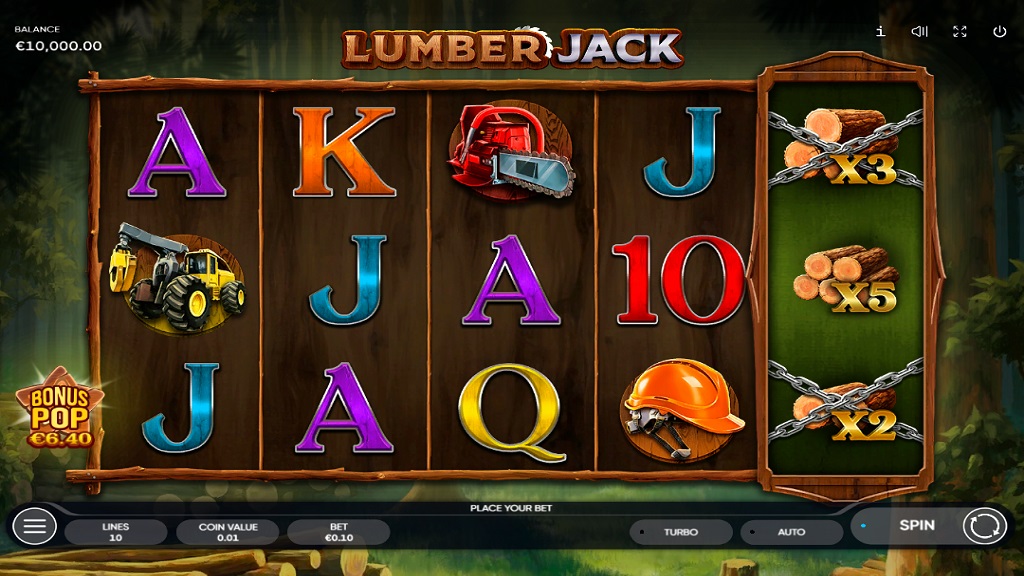
LolaJack set up a real-user tracking system that captures speed data from all sessions, beyond simulated tests. The metrics pour into reports broken down by device type, mobile operator, area, and game genre. The ops team can identify slowdown that affects only certain player cohorts before it becomes widespread. System alarms fire if any segment’s median load time surpasses a predefined limit for more than five straight minutes.
The monitoring is directly linked to the release pipeline. Whenever a release introduces a performance regression over 5 percent, it is automatically reverted. That safeguard guarantees Speed Demon Mode’s gains stick, even as new features roll out. Each week, the group analyzes speed trends and identifies new areas for improvement—treating speed as an ongoing discipline, instead of a one-off initiative.
Load Testing Under Maximum Concurrency
LolaJack conducted a batch of public load tests with 50,000 concurrent users using slots, live dealer tables, and cashier operations all at once. The platform held API response times under 500 milliseconds at the 99th percentile for the full 60-minute test. Error rates stayed below 0.01 percent—surpassing the five-nines reliability standard that’s commonly reserved for financial trading systems.
The tests introduced random network conditions too—up to 3 percent packet loss and 150 milliseconds of injected latency—to replicate real-world mobile variability. The engineering team’s summary highlighted connection pooling optimizations and circuit breaker implementations as the key safeguards that stopped individual component hiccups from cascading into full-blown failures under extreme load.
The way Speed Demon Mode Affects Player Experience
You notice the effects of this tech investment throughout. Moving between game categories is fluid—no layout shifts, no content jumps. Responsible gaming tools like deposit limits and reality checks engage instantly without needing a page reload. The platform goes from a bunch of linked pages to one smooth application that behaves like a native app.
Industry analysts monitoring operator performance say LolaJack’s published benchmarks put it in a tier well above the average UK-facing platform. The company has committed to quarterly transparency reports tracking key metrics over time. That fosters accountability, and competitors might be compelled to follow suit. For players accustomed to the friction that burdens much of online gambling, Speed Demon Mode lifts the baseline of what to expect.
The optimization program delivered improvements in several areas that directly impact player satisfaction and retention. Engineering leads recorded these core achievements during the final retrospective; all targets were achieved or exceeded within the first month:
- Lobby population time: from 1.8 seconds down to under 400 milliseconds across all device categories. That represents a 78 percent gain in how responsive browsing feels.
- Deposit authorization windows: compressed from an average of 11 seconds to under three seconds for returning players using saved credentials. This eliminates a significant barrier at checkout.
- Live dealer stream initialization latency: cut by 64 percent via always-on WebSocket links that keep the session alive even when you switch tabs.
- First Contentful Paint: steady at 0.6 seconds on median mobile devices, so you get the content nearly immediately after navigating.
- Session abandonment in the first ten seconds: dropped by 23 percent, contributing to increased interaction and longer average sessions.
- Withdrawal processing: standard verifications are completed in less than four minutes during business hours. Compare that to industry norms that often stretch beyond 24 hours.
The development roadmap continues. Engineers plan to add predictive resource distribution to trim cold-start latency for first-time players further still. ML algorithms trained on past traffic patterns will preheat caching nodes in areas expecting a surge—e.g., during large tournaments or campaigns. That shifts Speed Demon Mode from after-the-fact optimization to anticipatory performance engineering, exceeding user demands rather than just keeping up.